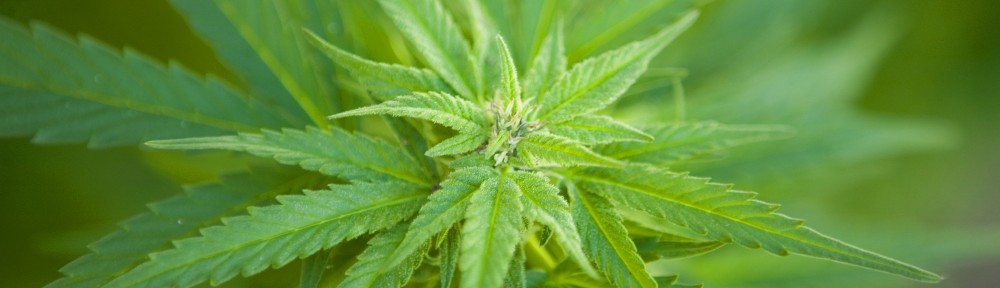
Amsterdam’s connection to cannabis is often described through coffeeshops, tourism, and nightlife, but one of the city’s most important contributions to global cannabis culture developed behind the scenes: cannabis seed breeding. Long before legal cannabis markets became common in parts of North America and Europe, Amsterdam helped shape the genetics that growers around the world still recognize today.
The Dutch capital became more than a destination for cannabis consumers. It became a meeting point for breeders, collectors, growers, activists, and travelers carrying seeds, stories, and cultivation knowledge from different parts of the world. This unique environment helped Amsterdam become one of the most influential cities in the history of modern cannabis genetics.
During the late twentieth century, cannabis cultivation was heavily restricted in most countries. Breeders often worked quietly, exchanging genetics through informal networks and underground communities. Amsterdam offered something unusual: a relatively tolerant cultural and commercial environment where cannabis knowledge could circulate more openly than in many other places.
This did not mean cannabis was fully legal in the Netherlands. Dutch policy has always been more complex than many visitors assume. However, the tolerance framework surrounding coffeeshops created a visible cannabis ecosystem that allowed breeders, growers, and entrepreneurs to develop ideas more freely than they could in stricter prohibition environments.
One of the biggest consequences was the rise of Dutch seed banks. These businesses helped professionalize cannabis genetics by collecting, stabilizing, preserving, and distributing seeds internationally. For many growers outside the Netherlands, Dutch seed banks became their first access point to reliable cannabis genetics.
Before seed banks became widely available, many growers depended on random bag seeds or unstable local genetics. Results were unpredictable. Plants could vary widely in height, flowering time, potency, aroma, and sex expression. This made cultivation risky and frustrating, especially for beginners.
How Amsterdam Became a Hub for Cannabis Genetics
Dutch breeders helped change that situation by introducing more stable cultivars with documented characteristics. Growers could begin choosing strains according to flowering time, plant structure, climate suitability, flavor profile, and production potential.
This shift was revolutionary. Cannabis cultivation became less dependent on chance and more connected to intentional selection. Seed banks gave growers the ability to plan their gardens with greater confidence.
Amsterdam’s breeding culture also benefited from international movement. Travelers, migrants, and cannabis enthusiasts brought genetic material from regions with long histories of cannabis cultivation. Genetics from Afghanistan, Thailand, Colombia, Mexico, India, Morocco, and other areas influenced many breeding projects connected to Dutch cannabis culture.
These regional genetics provided the raw material for some of the most famous hybrids in cannabis history. Dutch breeders combined narrow-leaf tropical varieties with broad-leaf hash plant genetics, creating new hybrids suited to indoor cultivation and European growing conditions.
How Indoor Growing Shaped Modern Cannabis Breeding
The development of indoor growing culture was especially important. Northern European weather does not always provide the long, warm seasons needed by traditional tropical cannabis varieties. Indoor cultivation allowed growers to control light cycles, temperature, humidity, and flowering conditions more precisely.
As indoor growing became more common, breeders began selecting plants that performed well under artificial lights and in compact spaces. This helped shape the structure, flowering speed, and reliability expected from many modern cannabis strains.
The Rise of Dutch Seed Banks and Stable Strains
Amsterdam’s influence was not limited to photoperiod genetics. The broader Dutch seed industry later contributed to the spread of feminized seeds and autoflowering varieties, both of which changed home cultivation dramatically.
Feminized seeds simplified growing by reducing the risk of male plants appearing in gardens intended for flower production. Autoflowering genetics made cultivation faster and more accessible by removing the need for strict light-cycle changes.
Both innovations helped expand cannabis growing beyond experienced cultivators. Beginners, small-space growers, and urban hobbyists gained easier access to plants better suited to their needs.
Amsterdam’s cannabis seed legacy also shaped the language of modern cannabis culture. Terms like strain, phenotype, feminized, autoflower, indica, sativa, hybrid, terpene profile, and flowering time became part of everyday grower vocabulary through seed catalogs, coffeeshop menus, and cultivation discussions.
Seed banks did not simply sell genetics. They educated growers. Catalog descriptions taught customers how to think about plant characteristics, harvest timing, aroma, height, yield, and environmental suitability.
This educational role helped cannabis culture become more sophisticated. Growers became more selective and analytical, comparing genetics according to performance rather than relying only on reputation or local availability.
International Genetics Behind Dutch Breeding Culture
Amsterdam also became closely connected to cannabis competitions. Events that brought breeders, growers, judges, and enthusiasts together helped promote specific genetics and create international recognition for successful cultivars.
Winning strains often gained global attention quickly. A successful showing in Amsterdam could turn a cultivar into an international name, influencing seed demand and breeding trends for years.
Amsterdam’s Lasting Influence on Cannabis Knowledge
This competitive environment encouraged innovation. Breeders worked to improve potency, aroma, resin production, flowering speed, stability, and visual appeal. Cannabis genetics became a field of constant experimentation.
At the same time, Amsterdam’s breeding culture was shaped by preservation. Many classic genetics survived because breeders maintained parent lines, reproduced older cultivars, and kept important genetic material in circulation through seed bank catalogs.
This preservation role became increasingly valuable as commercial cannabis trends began shifting rapidly. Modern markets often chase novelty, but older genetics remain important because they contain traits that may be useful for future breeding.
Scientific information about plant genetic resources, seed preservation, and agricultural biodiversity can be explored through the Wageningen University & Research, one of the Netherlands’ leading institutions for agricultural and life sciences research.
Indoor Growing, Feminized Seeds, and Autoflowering Innovation
Amsterdam’s cannabis seed legacy also reflects the Netherlands’ broader horticultural expertise. The country has long been internationally respected for greenhouse production, flower breeding, controlled-environment agriculture, and plant science. Cannabis breeding developed within a culture already familiar with advanced horticulture.
This background helped Dutch cannabis breeders approach cultivation with practical precision. Lighting, climate control, plant nutrition, and genetic selection all became part of a more professional growing mindset.
Over time, the global cannabis industry expanded far beyond Amsterdam. Legal markets in Canada, the United States, and other regions created enormous new centers of breeding and cultivation. Yet the historical importance of Amsterdam remains undeniable.
The city helped connect underground cannabis culture with organized seed distribution. It helped spread reliable genetics to growers worldwide. It helped normalize the idea that cannabis breeding could be a serious craft rather than a hidden hobby.
Today, Amsterdam is no longer the only major cannabis genetics hub, but it remains one of the symbolic birthplaces of the modern seed bank era. Its influence can still be seen in seed catalogs, grow rooms, breeding projects, and cannabis conversations across the world.
For many growers, Amsterdam represents more than coffeeshops. It represents the moment cannabis genetics began moving from secrecy toward structure, from local chance toward global selection, and from underground exchange toward professional breeding culture.
Core Ideas
- Amsterdam became a major center for cannabis genetics through breeders, collectors, and seed banks.
- Dutch seed banks helped standardize and distribute stable strains to growers worldwide.
- International genetics from multiple regions shaped the development of Dutch breeding culture.
- Indoor growing, feminized seeds, and autoflowering varieties made cultivation more accessible and predictable.
- Amsterdam’s cannabis competitions and coffeeshop culture helped spread knowledge, language, and strain recognition.
Frequently Asked Questions
Why did Amsterdam become important in cannabis breeding culture?
Amsterdam offered a tolerant environment where breeders, growers, and entrepreneurs could share genetics and cultivation knowledge more openly than in many stricter countries.
What role did Dutch seed banks play in cannabis history?
Dutch seed banks collected, stabilized, preserved, and distributed genetics, giving growers reliable access to strains and helping professionalize cannabis breeding.
How did international genetics influence Dutch cannabis strains?
Breeders working in Amsterdam used genetics from regions such as Afghanistan, Thailand, Colombia, Mexico, India, and Morocco to create new hybrids adapted to different growing conditions.
Why were feminized and autoflowering seeds important?
Feminized seeds reduced the chance of male plants in flower gardens, while autoflowering varieties made cultivation faster and easier for beginners and small-space growers.
Did Amsterdam only influence cannabis tourism?
No. Beyond tourism and coffeeshops, Amsterdam played a major behind-the-scenes role in shaping modern cannabis genetics, breeding standards, and grower education.